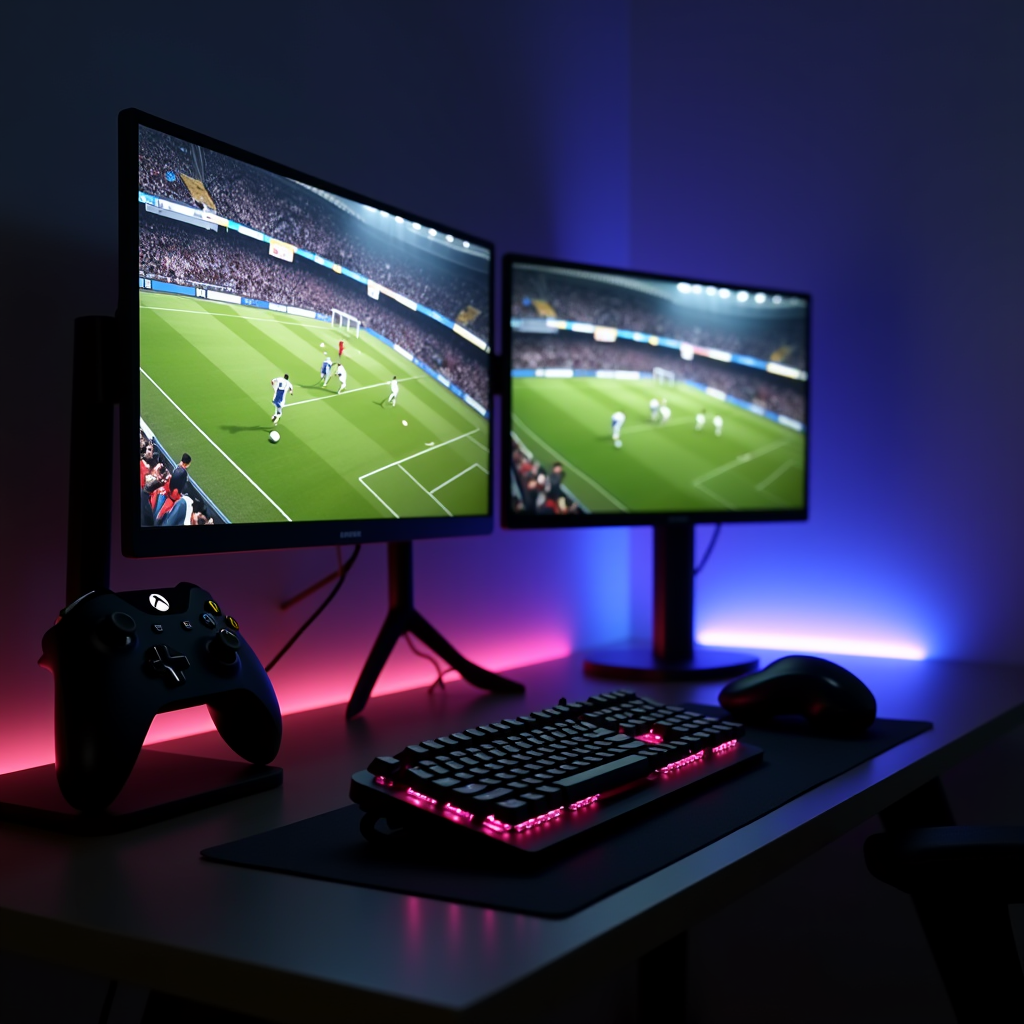
Creating the perfect gaming setup for football simulation games requires careful consideration of multiple components working in harmony. Whether playing Premier League matches in career mode or competing in Fantasy Premier League tournaments, the right hardware and environment can significantly enhance gameplay experience, responsiveness, and overall immersion. This comprehensive guide covers everything from essential hardware specifications to optimal room setup, helping players at all budget levels create their ideal football gaming station.
Modern football simulation games demand substantial computing power to render realistic stadiums like Wembley Stadium, process complex match physics, and deliver smooth gameplay during intense moments. Understanding the relationship between hardware components, display technology, and input devices enables players to make informed decisions that maximize both performance and value. From budget-conscious setups to premium configurations, this guide provides detailed recommendations tailored to different needs and preferences.
Essential Hardware Requirements and Specifications
Processor and Graphics Card Considerations
The central processing unit serves as the foundation for smooth football simulation gameplay, handling match calculations, artificial intelligence decisions, and game logic. For budget setups, a quad-core processor with base clock speeds of 3.0 GHz provides adequate performance for 1080p gaming at medium settings. Mid-range configurations benefit from six-core processors with boost capabilities reaching 4.0 GHz, enabling higher graphical settings and smoother frame rates during complex match scenarios with multiple players on screen.
Graphics processing units determine visual fidelity, rendering quality, and frame rate stability. Entry-level graphics cards with 4GB video memory handle 1080p resolution at 60 frames per second with medium to high settings, suitable for casual players focused on gameplay over visual spectacle. Enthusiast-level cards featuring 8GB or more video memory deliver ultra settings at 1440p or 4K resolutions, showcasing detailed player models, realistic stadium atmospheres, and smooth animations during replays and celebrations. Ray tracing capabilities, while not essential, add impressive lighting effects to stadiums and player uniforms.
Memory and Storage Solutions
System memory directly impacts loading times, multitasking capabilities, and overall system responsiveness. Minimum configurations require 8GB RAM for basic gameplay, though 16GB represents the recommended standard for optimal performance. Players who stream matches, run background applications, or engage with Football News websites while gaming benefit from 32GB configurations, eliminating potential bottlenecks during intensive operations.
Storage technology significantly affects game loading speeds and system boot times. Solid-state drives reduce match loading from minutes to seconds, particularly beneficial when simulating multiple English Football League seasons or loading detailed stadium environments. A 500GB SSD accommodates the operating system and several football simulation titles, while 1TB or larger drives provide ample space for game libraries, recorded matches, and downloadable content including updated Football Kits and Football Transfers data. Traditional hard drives serve well as secondary storage for archived seasons and backup saves.
Power Supply and Cooling Systems
Reliable power delivery ensures system stability during extended gaming sessions. Power supplies rated between 550-650 watts suffice for mid-range configurations, while high-performance systems with premium graphics cards require 750 watts or more. Efficiency ratings of 80 Plus Bronze or higher reduce electricity costs and heat generation, contributing to quieter operation and longer component lifespan.
Thermal management maintains optimal performance and prevents throttling during intensive gameplay. Air cooling solutions with quality heatsinks and multiple case fans provide adequate cooling for most configurations. Liquid cooling systems, while more expensive, offer superior thermal performance and quieter operation, particularly valuable during late-night gaming sessions or when recording Match of the Day highlights. Proper airflow configuration with intake and exhaust fans creates positive pressure, reducing dust accumulation and maintaining consistent temperatures.
Monitor Selection and Display Technology
Resolution and Screen Size Options
Display resolution fundamentally shapes visual clarity and detail perception during gameplay. Full HD 1920x1080 resolution remains the standard for budget and mid-range setups, offering sharp imagery on 24-27 inch displays while maintaining high frame rates on modest hardware. This resolution proves ideal for competitive players prioritizing responsiveness over visual fidelity, particularly when tracking fast-paced action during English Premier League matches or FA Cup tournaments.
Quad HD 2560x1440 resolution delivers noticeably enhanced detail on 27-32 inch displays, revealing intricate player expressions, detailed Football Boots designs, and realistic crowd animations without requiring top-tier graphics hardware. This sweet spot balances visual quality with performance demands, suitable for players seeking immersive experiences without compromising frame rates. Ultra HD 4K resolution at 3840x2160 provides stunning clarity on 32 inch and larger displays, showcasing every blade of grass and facial detail, though demanding powerful graphics cards to maintain smooth gameplay at higher settings.
Refresh Rate and Response Time
Refresh rate determines display smoothness and motion clarity during fast-paced gameplay. Standard 60Hz monitors provide acceptable performance for casual gaming, though competitive players benefit significantly from 144Hz displays, which reduce motion blur and improve input responsiveness during critical moments like penalty kicks or last-minute goals. High refresh rates enhance the fluidity of player movements, ball physics, and camera panning, creating more natural and responsive gameplay experiences.
Response time measures pixel transition speed, affecting ghosting and motion clarity. Gaming monitors with 1-5 millisecond response times eliminate trailing artifacts during rapid camera movements or quick player actions. IPS panels offer superior color accuracy and viewing angles compared to TN panels, important for appreciating authentic Football Kits colors and realistic stadium lighting, though typically featuring slightly slower response times. VA panels provide excellent contrast ratios, enhancing dark stadium sections and evening matches, while maintaining competitive response times suitable for most gaming scenarios.
Adaptive Sync Technologies
Variable refresh rate technologies synchronize monitor refresh rates with graphics card output, eliminating screen tearing and stuttering during gameplay. FreeSync and G-Sync technologies provide smooth visual experiences even when frame rates fluctuate during graphically intensive moments like goal celebrations or stadium-wide camera pans. These technologies prove particularly valuable for players with mid-range hardware, ensuring consistent visual quality regardless of momentary performance variations.
HDR support enhances color range and contrast, delivering more vibrant and realistic visuals during matches. HDR-capable monitors showcase improved lighting effects in stadiums, more accurate grass colors, and enhanced jersey details, though requiring compatible graphics hardware and game support. While not essential for competitive gameplay, HDR significantly enhances visual immersion for players prioritizing cinematic presentation and realistic atmosphere during career mode seasons.
Controller Selection and Input Devices
Console-Style Controllers
Traditional gamepad controllers remain the preferred input method for football simulation games, offering intuitive analog stick control for player movement and precise button layouts for passing, shooting, and tactical commands. Modern wireless controllers provide freedom of movement and eliminate cable clutter, featuring rechargeable batteries lasting 8-12 hours per charge. Bluetooth connectivity ensures reliable connections with minimal input lag, critical for responsive gameplay during competitive matches or online tournaments.
Premium controllers feature customizable button mapping, adjustable trigger sensitivity, and interchangeable analog sticks, allowing players to tailor controls to personal preferences and playing styles. Back paddle buttons provide additional input options without removing thumbs from analog sticks, advantageous for executing complex skill moves or quick tactical adjustments during England National Football Team matches. Textured grips and ergonomic designs reduce hand fatigue during extended gaming sessions, particularly important for players managing multiple EFL Championship seasons or participating in lengthy online tournaments.
Keyboard and Mouse Alternatives
While less common for football simulation games, keyboard and mouse setups offer precise menu navigation and quick access to tactical options during matches. Mechanical keyboards with tactile switches provide satisfying feedback and improved durability compared to membrane alternatives, beneficial for players who frequently adjust formations or make substitutions. Gaming mice with programmable buttons enable quick access to frequently used commands, though analog stick precision for player movement remains challenging to replicate with keyboard controls.
Hybrid setups combining controllers for gameplay with keyboards for menu navigation and team management provide optimal flexibility. This approach proves particularly effective for career mode players who spend significant time in transfer markets, tactical planning screens, and squad management interfaces. Dedicated macro keys or programmable buttons streamline repetitive tasks like simulating matches, navigating through Football Transfers menus, or quickly accessing favorite formations during tactical adjustments.
Specialized Gaming Accessories
Controller charging stations maintain multiple controllers at full charge, ensuring uninterrupted gameplay during extended sessions or when switching between different controller configurations. Protective cases and carrying solutions safeguard controllers during transport to gaming events or friend gatherings, while replacement analog stick modules and button sets extend controller lifespan and maintain optimal performance over time.
Headset stands and cable management solutions maintain organized gaming spaces, reducing clutter and preventing cable damage. Controller grips and thumb stick covers enhance comfort and precision, particularly beneficial for players with larger hands or those who prefer additional texture on analog sticks. Trigger extenders and button modifications allow further customization, enabling players to optimize controller ergonomics for personal comfort and performance preferences during competitive gameplay or Soccer Training practice sessions.
Optimal Gaming Environment Setup
Desk and Seating Arrangements
Proper desk dimensions accommodate monitors, peripherals, and accessories while maintaining comfortable viewing distances. Gaming desks measuring 120-150 centimeters wide provide adequate space for dual monitor setups, controller charging stations, and beverage placement without crowding. Depth of 60-75 centimeters ensures appropriate distance from displays, reducing eye strain during extended gaming sessions while allowing comfortable arm positioning for controller use.
Ergonomic gaming chairs with adjustable height, lumbar support, and armrests promote proper posture and reduce physical discomfort during marathon gaming sessions. Chairs with reclining capabilities and footrests enhance comfort during casual gameplay or when watching Live Football matches between gaming sessions. Breathable mesh materials or premium leather upholstery provide comfort across different seasons and room temperatures, while sturdy construction ensures longevity despite daily use.
Lighting and Ambient Conditions
Appropriate lighting reduces eye strain and enhances visual comfort during extended gaming sessions. Bias lighting behind monitors reduces contrast between bright displays and dark room environments, minimizing eye fatigue while improving perceived image quality and color accuracy. Adjustable desk lamps with warm color temperatures provide task lighting for keyboard visibility and note-taking without creating screen glare or reflections that interfere with gameplay visibility.
Ambient RGB lighting creates immersive atmospheres matching team colors or game moods, enhancing the overall gaming experience without distracting from on-screen action. Smart lighting systems synchronized with gameplay events add dynamic visual elements, though should remain subtle to avoid distraction during competitive matches or crucial moments like penalty shootouts. Blackout curtains or blinds eliminate external light sources during daytime gaming, ensuring consistent viewing conditions and reducing screen glare that might obscure important gameplay details.
Audio Setup and Acoustics
Quality audio enhances immersion through realistic crowd atmospheres, commentary, and match sound effects. Gaming headsets with surround sound capabilities provide directional audio cues and immersive stadium atmospheres, while noise cancellation features eliminate external distractions during competitive gameplay. Wireless headsets offer freedom of movement and eliminate cable management concerns, though wired alternatives provide consistent audio quality without battery life limitations.
Desktop speaker systems serve well for casual gaming or when sharing experiences with friends, delivering room-filling audio that captures stadium atmospheres and commentary excitement. Subwoofers add depth to crowd roars and ball impact sounds, enhancing realism during goal celebrations and dramatic moments. Acoustic treatment with foam panels or sound-dampening materials improves audio clarity and reduces echo in larger rooms, particularly beneficial for players who stream matches or record gameplay commentary for Football History documentation or content creation.
Cable Management and Organization
Organized cable routing maintains clean aesthetics and prevents accidental disconnections during gameplay. Cable management sleeves bundle multiple cables together, routing them along desk legs or walls to minimize visible clutter. Velcro straps and cable clips secure individual cables at regular intervals, preventing tangling and simplifying future upgrades or rearrangements. Under-desk cable trays hide power strips and excess cable length, creating cleaner visual spaces while maintaining easy access for maintenance.
Wireless peripherals reduce cable requirements, though necessitate charging solutions and battery management. Hybrid approaches using wireless controllers and mice while maintaining wired connections for monitors and keyboards balance convenience with reliability. Color-coded cables or labels simplify identification during troubleshooting or equipment changes, particularly valuable in complex setups with multiple displays, audio devices, and peripheral connections supporting various gaming and productivity tasks.
Budget Planning and Performance Tiers
Entry-Level Gaming Setups
Budget-conscious configurations prioritize essential components delivering playable performance at 1080p resolution with medium settings. Entry-level systems featuring quad-core processors, 8GB RAM, and budget graphics cards handle football simulation games adequately for casual players focused on gameplay over visual fidelity. These setups support smooth 60 frames per second gameplay during standard matches, though may experience reduced performance during graphically intensive moments like stadium-wide celebrations or weather effects.
Paired with 24-inch 1080p monitors featuring 60Hz refresh rates and basic controllers, entry-level setups provide complete gaming experiences without excessive investment. These configurations suit players new to football simulation games, those primarily interested in career mode gameplay, or individuals building first gaming setups with plans for future upgrades. Strategic component selection focusing on upgrade paths ensures systems remain relevant as gaming needs evolve or budgets allow for enhancements.
Mid-Range Performance Systems
Mid-tier configurations balance performance and value, delivering high settings at 1080p or medium-high settings at 1440p resolution. Six-core processors paired with 16GB RAM and mid-range graphics cards provide smooth gameplay with enhanced visual quality, showcasing detailed player models, realistic lighting, and fluid animations. These systems handle multitasking effectively, supporting background applications like streaming software, web browsers accessing Football News sites, or voice communication programs during online matches.
Combined with 27-inch 1440p displays featuring 144Hz refresh rates and premium wireless controllers, mid-range setups deliver significantly enhanced experiences compared to entry-level alternatives. These configurations suit dedicated players who regularly engage with football simulation games, participate in online competitions, or stream gameplay for audiences. The performance headroom ensures consistent frame rates during intensive scenarios and provides longevity as game requirements increase with annual releases and graphical improvements.
Premium Enthusiast Configurations
High-end systems maximize visual fidelity and performance, delivering ultra settings at 4K resolution with ray tracing enabled. Eight-core or higher processors combined with 32GB RAM and flagship graphics cards provide uncompromising performance, maintaining high frame rates even during graphically demanding scenarios. These configurations support multiple monitors, high-resolution streaming, and content creation workflows alongside gaming, appealing to serious enthusiasts and content creators.
Premium setups featuring 32-inch 4K displays with HDR support, professional-grade controllers with customization options, and comprehensive audio systems create ultimate gaming environments. These configurations showcase football simulation games at their absolute best, revealing every graphical detail from individual grass blades to realistic player facial expressions. While representing significant investments, premium systems provide future-proof performance and exceptional experiences for dedicated players who prioritize visual quality and immersive gameplay above all else.
Creating Your Perfect Football Gaming Experience
Building an optimal gaming setup for football simulation games involves balancing multiple factors including hardware performance, display quality, input devices, and environmental considerations. Whether assembling an entry-level configuration for casual play or investing in premium components for competitive gaming and content creation, understanding how different elements interact enables informed decisions that maximize both enjoyment and value. The right combination of components creates immersive experiences that bring Top Flight Football action to life, from recreating historic English Football Clubs matches to competing for the Golden Boot in virtual tournaments.
Successful gaming setups evolve over time, with strategic upgrades addressing specific needs or performance bottlenecks as they arise. Starting with solid foundations in essential components like processors and graphics cards, then enhancing displays, peripherals, and environmental elements as budgets allow, creates sustainable paths toward ideal configurations. Regular maintenance, driver updates, and optimization ensure systems continue performing optimally, delivering smooth gameplay and immersive experiences whether managing Fantasy Premier League teams, competing in online tournaments, or simply enjoying the beautiful game from the comfort of home.
The investment in proper gaming equipment extends beyond immediate performance benefits, enhancing long-term enjoyment and reducing physical strain during extended sessions. Comfortable seating, appropriate lighting, quality audio, and organized spaces contribute to sustainable gaming habits that support both competitive performance and casual enjoyment. By carefully considering each component's role within the complete system and prioritizing elements that align with personal gaming preferences and goals, players create customized environments perfectly suited to their football simulation gaming needs and aspirations.